Is Now a Good Time to Invest in Sydney Property?
Is Now a Good Time to Invest in Sydney Property?
Explore Sydney property market trends in 2026 and find out if now is the right time to invest. Learn risks, opportunities, and best areas to buy.
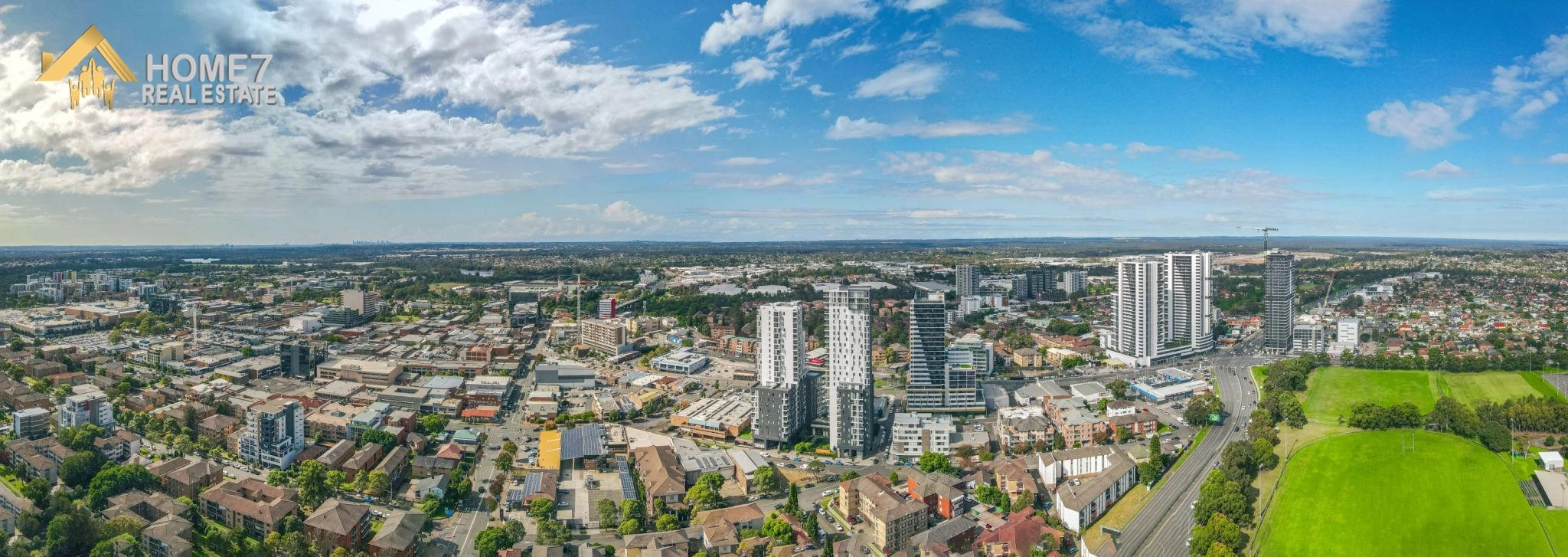
Alt text: Aerial view of Sydney skyline and harbour, representing Sydney property market 2026
Sydney's property market in 2026 presents a mix of opportunity and caution for investors. While demand remains strong due to population growth and limited housing supply, rising interest rates and affordability challenges require careful planning. Understanding market trends, location potential, and long-term returns is key to making a smart investment decision.
If you have been asking yourself whether now is a good time to invest in Sydney property, you are not alone. Investors across Australia and internationally are watching the Sydney housing market closely, weighing short-term headwinds against long-term fundamentals. This guide breaks down everything you need to know before making your move in 2026.
Overview of the Sydney Property Market in 2026
The Sydney property market enters 2026 in a state of transition. After strong price growth through much of 2024 and 2025, conditions have softened in recent months. The median house price sits at approximately $1.617 million, with units averaging around $871,000, according to the PropTrack Home Price Index.
Annual dwelling value growth reached 5.7% in early 2026, though momentum has slowed considerably in the first quarter. The Reserve Bank of Australia lifted the cash rate to 3.85% in February 2026, the first hike since the post-COVID tightening cycle, and markets are now pricing in the possibility of a further increase to 4.35% in May 2026.
Despite the softer short-term picture, the structural story remains intact. Advertised stock sits materially below the five-year average, keeping competition high across most price points. Auction clearance rates held at 76% in early February 2026, signalling that underlying buyer interest remains firm even as sentiment wavers.
Key numbers at a glance for the sydney property market 2026:
Median house price: approximately $1.617 million
Median unit price: approximately $871,000
Annual dwelling value growth: approximately 5.7%
Rental vacancy rate: 1.5% as of January 2026
Combined asking rents: approximately $900 per week, up 6.6% annually
Is Now a Good Time to Invest in Sydney Property?
The honest answer depends heavily on your investment horizon. For investors thinking five to ten years ahead, the current conditions present a genuine window of opportunity. For those seeking quick gains, the near term is more challenging.
The case for investing now:
Population growth is not slowing down. NSW is projected to add nearly one million residents by 2034, with over 650,000 settling in Sydney. That translates directly into housing demand. Meanwhile, new supply remains severely constrained. Construction costs are elevated, labour shortages persist, and housing approvals are near decade-low levels. This supply-demand imbalance supports prices over any meaningful investment horizon.
Rental demand is exceptionally tight. With a vacancy rate of just 1.5% and rents rising at 6.6% annually, investors entering now can expect strong rental income while they wait for capital growth to resume.
Top-quartile properties have declined for five consecutive months and Sydney prices are already below their October 2025 peak. For patient investors, that means buying in at a lower point than was available just six months ago.
The case for caution:
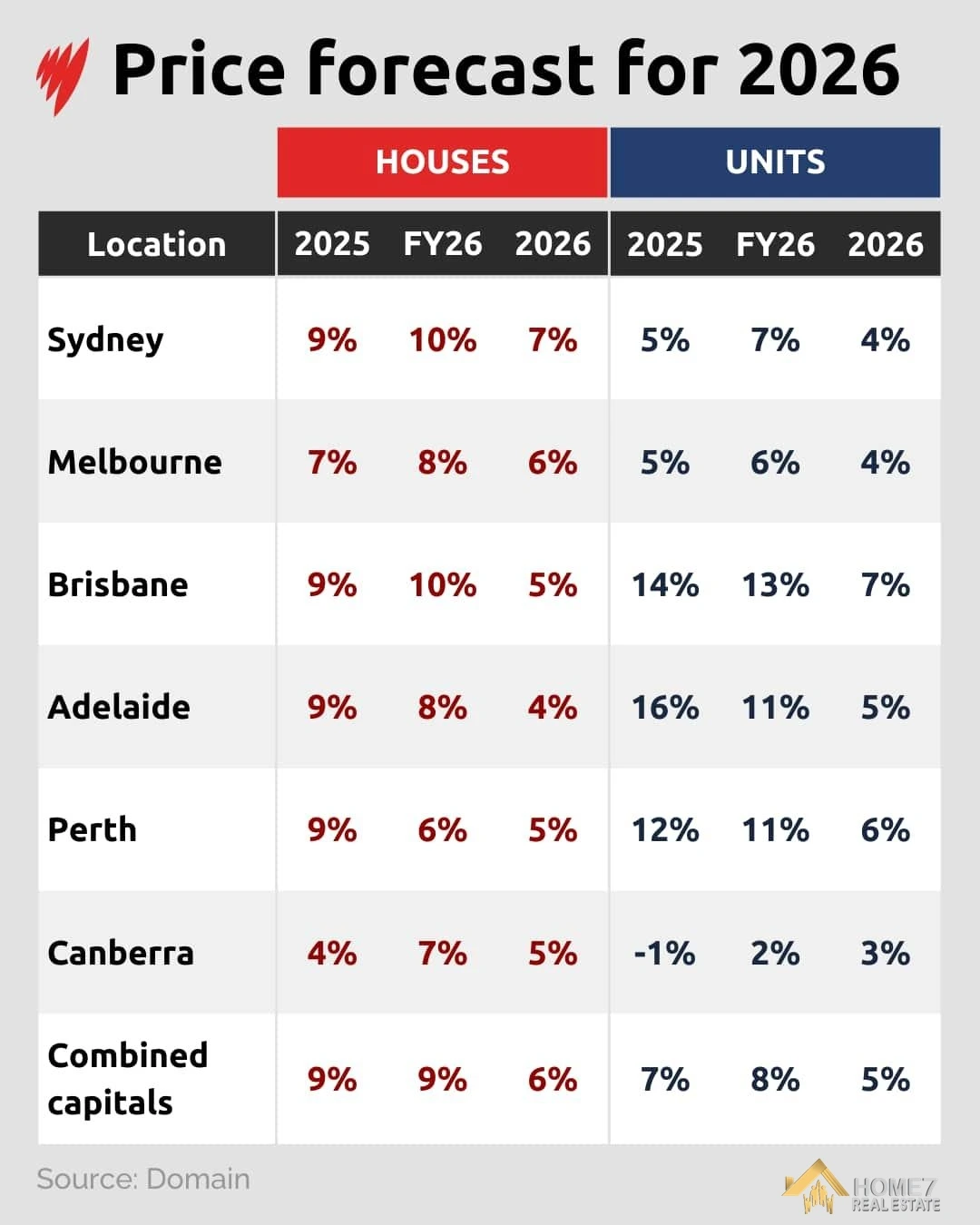
ANZ Research now forecasts Sydney housing prices to fall 0.7% across 2026 before recovering to 2.6% growth in 2027. The market is highly sensitive to interest rates, and with the cash rate potentially reaching 4.35%, borrowing costs will remain elevated throughout the year. Consumer confidence, as measured by the ANZ-Roy Morgan index, is near a record low.
Affordability remains a significant constraint. With median prices more than ten times average household incomes in many areas, the pool of potential buyers is narrowing. Overpaying in a softening market can erode returns substantially in the short term.
The verdict: property investment in Sydney in 2026 rewards careful suburb selection and a long-term mindset. Investors who understand the local dynamics and target the right locations are well positioned. Those chasing short-term capital gains may find conditions frustrating.
Key Factors Affecting Property Investment in Sydney
Interest rates remain the single most influential variable. Sydney's large mortgage sizes mean even a 25 basis point move shifts buyer sentiment noticeably. With the cash rate likely to peak around 4.35% before any cuts arrive, buyers should plan finances conservatively and secure pre-approval before entering the market.
Inflation has been stubborn enough to prompt the RBA's return to rate hikes. While inflation is expected to moderate through 2026, it is keeping the rate environment restrictive for longer than many investors had hoped.
Government policy is playing an increasingly important role. The federal budget is expected to include changes to housing taxation, including potential adjustments to the capital gains tax discount. The expanded First Home Guarantee scheme now allows eligible buyers to purchase properties up to $1.5 million with just a 5% deposit in NSW, which supports demand at the lower end.
Population growth provides the strongest structural tailwind. NSW welcomed 184,619 overseas migrants in the most recent ABS data. International students, skilled workers, and families continue flowing into Greater Sydney, all requiring accommodation in a market already running short.
Best Areas to Invest in Sydney Right Now
Not all of Sydney is moving in the same direction. The most compelling opportunities in 2026 sit in the city's south-west and western growth corridors, where infrastructure investment is unlocking real value.
Liverpool NSW stands out as one of the most strategically positioned locations for property investment sydney buyers should consider. With a median house price around $980,000 to $1.18 million depending on the specific suburb, Liverpool offers genuine affordability relative to inner-city alternatives while benefiting from transformative infrastructure investment.
Western Sydney growth corridors covering suburbs such as Leppington, Edmondson Park, Moorebank, and Prestons are drawing strong buyer and investor interest. The Western Sydney International Airport begins cargo flights in July 2026 and passenger flights in October 2026, with major carriers already confirmed. The toll-free M12 motorway linking the airport to the M7 opened in March 2026, already boosting accessibility for suburbs including Liverpool and Mount Druitt.
Infrastructure-driven suburbs along the Metro Southwest corridor are also gaining momentum. The Sydenham to Bankstown conversion is 79% complete, with test runs along the full 66km line completed in early 2026. Suburbs along this corridor benefit from improved connectivity and rising tenant demand.
These are the areas where the real estate in Liverpool team at Home7 operates, with deep local expertise built across years of transactions in South-West Sydney.
Property Investment Strategies in 2026
Choosing the right strategy matters as much as choosing the right suburb when investing in Sydney real estate in the current environment.
Long-term buy and hold remains the most reliable approach for investors in Sydney. The city's structural supply shortage and ongoing population growth mean that properties held for seven to ten years have historically delivered strong total returns. Buying during a period of softness, as 2026 represents, is typically where the best long-term entry points are found.
Rental yield focus is growing in appeal. With vacancy rates at 1.5% and rents rising sharply, suburbs in Western Sydney offering gross yields between 3.9% and 5.0% provide solid cash flow while an investor waits for capital growth. Units and townhouses in Liverpool, Bankstown, and Parramatta are particularly well positioned for yield-focused strategies.
Capital growth strategy calls for identifying suburbs with confirmed infrastructure spending and population inflows before those factors are fully priced in. Liverpool's $6.6 billion CBD transformation and the Aerotropolis precinct near Badgerys Creek represent multi-decade catalysts that are still early in their development arc.
Risks of Investing in Sydney Property
No investment guide is complete without a clear-eyed look at the risks, and there are real ones to consider in 2026.
Market fluctuations are a near-term reality. SQM Research warned in March 2026 of potential falls of up to 6% in Sydney over the year if interest rate hikes materialise as markets have priced. While widespread crashes are unlikely given structural tightness, investors need to be prepared for further softness before recovery.
Borrowing costs are elevated and may rise further. Investment loan rates tied to the cash rate can reduce rental income margins significantly. Investors should stress-test their numbers at a cash rate of 4.5% to ensure serviceability holds.
Overpaying in competitive markets is a persistent risk, particularly in outer suburbs where first-time investors sometimes compete aggressively without full knowledge of comparable sales. Working with an experienced local agent reduces this risk considerably.
Oversupply risk exists in specific pockets. High-density apartment markets in parts of the CBD and inner suburbs such as Mascot and Zetland carry more supply risk than houses and townhouses in the growth corridors.
Why Liverpool NSW Is a Strong Investment Option
Among all the locations available for liverpool nsw property investment, few offer the combination of affordability, infrastructure momentum, and long-term growth potential that Liverpool does right now.
The city centre is undergoing a $6.6 billion transformation spanning commercial towers, entertainment precincts, residential developments, and a modernised train and bus interchange. This is a Parramatta-scale regeneration but a decade behind in its cycle, meaning investors entering Liverpool now are positioned where Parramatta buyers were in 2015 when that suburb began its own transformation.
The Western Sydney Airport, located approximately 40 kilometres from Liverpool, is set to be fully operational for passengers by October 2026. The Fifteenth Avenue Smart Transit Corridor, a $1.2 billion project connecting Liverpool CBD directly to the airport via dedicated fast electric bus lanes, further strengthens the suburb's connectivity.
Liverpool is also projected to accommodate 440,000 residents by 2041. The Moore Point precinct alone is planned to deliver 11,000 homes and 23,000 jobs, adjacent to Liverpool railway station, Liverpool Hospital, and Western Sydney University.
For investors looking at property for sale Liverpool or properties for rent Liverpool, Home7 Real Estate offers current listings and local market guidance across the South-West Sydney corridor.
Tips for First-Time Property Investors in Sydney

If you are new to buying investment property in Sydney, the following steps will help you build a sound foundation before committing capital.
Research suburbs thoroughly. Look beyond headline median prices to vacancy rates, infrastructure investment pipelines, demographic trends, and comparable rental yields. Liverpool and its surrounding growth suburbs offer strong data on all these fronts.
Budget conservatively. Factor in stamp duty, buyer's agent fees if applicable, landlord insurance, property management fees, council rates, and maintenance. A rough budget rule is to allow 2.5% to 3% of purchase price annually for holding costs beyond your mortgage.
Get pre-approval before inspecting. With competition still present despite softer conditions, having your finance confirmed gives you the confidence to act quickly when the right property appears.
Focus on tenant appeal. Properties close to schools, hospitals, train stations, and employment hubs consistently attract quality tenants and lower vacancy periods. Liverpool's position near Liverpool Hospital and Western Sydney University makes it particularly strong on this measure.
Work with specialists who know the local market. A local agent's knowledge of which streets attract strong rental interest, which developments are coming nearby, and what comparable sales look like is worth more than any online data platform.
You can also review sold properties Liverpool to understand what comparable homes have actually transacted for, which is the most reliable guide to current market value.
Work with Local Property Experts
Navigating the Sydney housing market in 2026 calls for current, hyperlocal knowledge. National trends mask enormous variation at the suburb and street level, and the difference between a sound investment and a costly mistake often comes down to who is advising you.
Home7 Real Estate is a trusted agency based in Liverpool, serving buyers, sellers, landlords, and tenants across South-West Sydney. The team understands the micro-dynamics of the local market, including which infrastructure projects are moving fastest, which suburbs are attracting the strongest tenant demand, and where the best value currently sits for investors at different budget levels.
Whether you are looking to buy your first investment property or expand an existing portfolio, the real estate agents at Home7 bring local expertise and genuine market insight to every conversation.
Get Expert Advice Before You Invest
The Sydney property market in 2026 rewards preparation. The investors who will look back in five years and feel satisfied with their decisions are the ones who took time to research thoroughly, chose their location carefully, and worked with people who genuinely understood the local conditions.
If you are ready to explore what is available or simply want to understand your options before committing, now is the right time to start that conversation.
Explore current listings, browse sold properties Liverpool for pricing context, or reach out directly to contact Home7 Real Estate for an obligation-free consultation with a local specialist.
The market will not wait indefinitely. Demand is structural, supply remains tight, and the infrastructure story for South-West Sydney is only getting stronger. Taking the first step now puts you ahead of the investors who will wish they had acted sooner.
Disclaimer: This article is intended for general informational purposes only and does not constitute financial or investment advice. Always consult a qualified financial adviser before making investment decisions.