The Complete Guide to Real Estate in Liverpool NSW
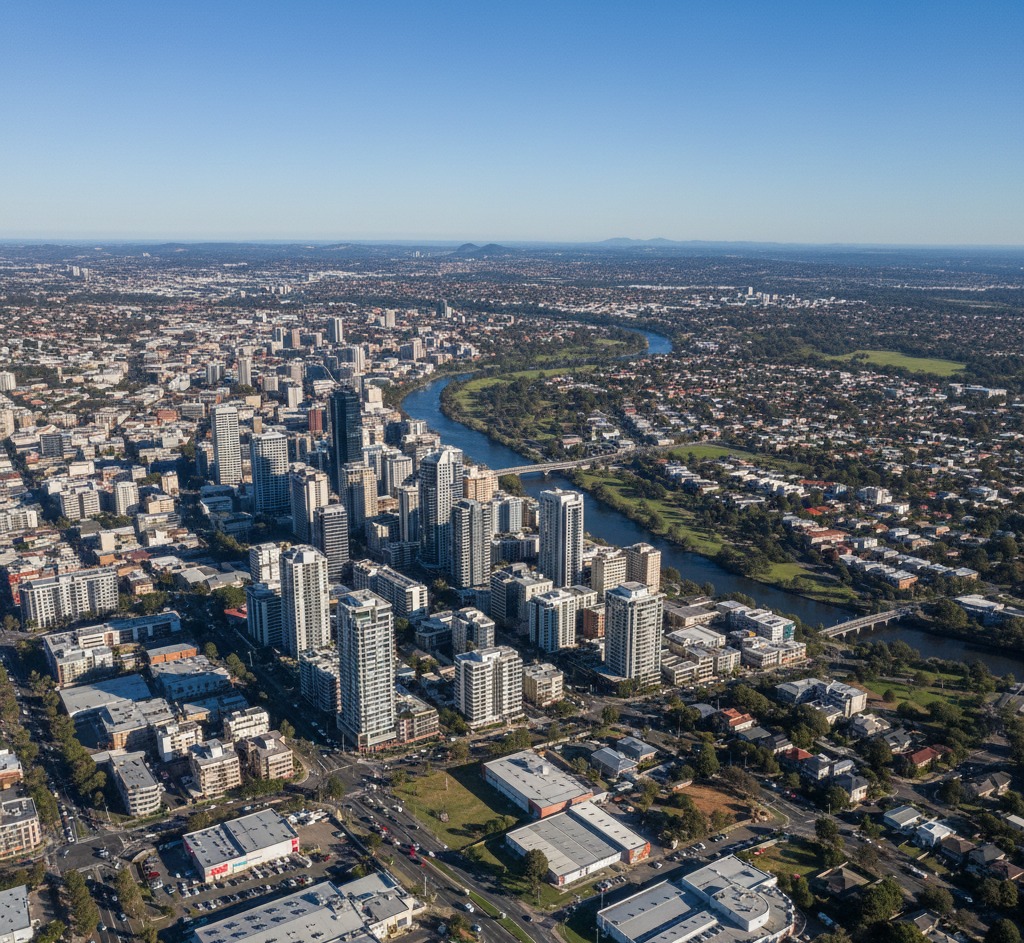
The Complete Guide to Real Estate in Liverpool NSW
The Complete Guide to Real Estate in Liverpool NSW: Market Insights, Investment Opportunities & Buyer's Guide 2025
Quick Answer: Liverpool NSW is currently the #1 destination for first-home buyers in NSW with median house prices at $1,100,000 (10% annual growth) and units at $585,000. The market offers strong investment returns with 5.85% rental yields for units, low 1.0% vacancy rates, and billions in infrastructure investment including direct connection to Western Sydney Airport.
Liverpool, NSW has emerged as one of Sydney's most dynamic and sought-after real estate markets in 2025. Located just 27 kilometres southwest of Sydney's CBD, this historic suburb is experiencing unprecedented growth, attracting first-home buyers, investors, and families seeking value, connectivity, and long-term capital appreciation.
Why Liverpool NSW is Sydney's Property Hotspot in 2025
Record-Breaking Market Performance
Liverpool recorded a median house price of $1,100,000 in Q1 2025, representing annual growth of 10.0% for houses and 8.9% for units. This impressive growth trajectory has positioned Liverpool as a standout performer in the Greater Sydney property market.
The market has demonstrated remarkable resilience throughout 2024 and into 2025. Between Q3 2023 and Q3 2024, Liverpool experienced median house price growth of 13.0%, significantly outpacing many Sydney suburbs. This growth is driven by undersupply in the market, which has created a buffer against higher interest rates.
NSW's #1 Destination for First-Home Buyers
Liverpool has consistently held the top position as NSW's most popular location for first-home buyers. According to InfoTrack's sales data for Q2 of 2025, the Liverpool postcode of 2170 continued to record the highest sales volumes to first home buyers in NSW, marking an entire year the market has held the top ranking.
What's driving this unprecedented demand? Affordability remains Liverpool's strongest drawcard. Buyers can find older-style apartments for around $400,000, which is less than what it costs to build new ones. Recent sales include two-bedroom units selling for $395,000 to $401,000, providing realistic entry points for first-time purchasers.
The suburb is also witnessing a surge in "rentvestors" – first-time buyers who purchase investment properties in Liverpool while continuing to rent closer to the city. These investors are attracted by rental yields around 5% and strong long-term capital growth prospects.
Liverpool's Property Market by the Numbers
Current Median Prices (2025)
- Houses: $1,100,000 (10% annual growth)
- Units: $585,000 (8.9% annual growth)
- Median Weekly Rent (Houses): $600
- Median Weekly Rent (Units): $520
Market Dynamics
Liverpool recorded a vacancy rate of 1.0% in March 2025, which is well below the Real Estate Institute of Australia's healthy benchmark of 3.0%, suggesting quicker occupancy of rental homes. This tight rental market creates excellent conditions for investors seeking consistent rental income.
The market currently favours sellers due to supply constraints. Houses typically spend 39 days on market, while units move even faster at 29 days on average, indicating strong buyer demand across all property types.
Major Infrastructure Transforming Liverpool's Future
Liverpool's property market is being supercharged by billions of dollars in infrastructure investment, positioning the suburb for sustained growth over the coming decades.
Western Sydney International Airport Connection
The upcoming Western Sydney International Airport at Badgerys Creek is a game-changer for Liverpool. To connect residents directly to this new employment and transport hub, governments have committed significant funding to the Fifteenth Avenue Smart Transit (FAST) Corridor.
On 19 January 2025, NSW and Federal governments committed $1 billion to the Fifteenth Avenue Upgrade, with $500 million from the State Government and $500 million from the Federal Government. This corridor will become a direct link to the Bradfield City Centre and the airport, with construction expected to start in 2027.
Major Development Projects
Liverpool City Council released its draft 2025/26 Budget, outlining a $531 million plan to deliver essential services and infrastructure. Some $150 million worth of major projects are being delivered through the Western Sydney Infrastructure Grants Program, including the Carnes Hill Leisure Centre, upgrades to Light Horse Park, and comprehensive upgrades to Macquarie, Scott, and Railway Streets in the Liverpool CBD.
Liverpool Innovation Precinct
The Liverpool Innovation Precinct is anchored by Liverpool Hospital – the largest hospital in NSW and one of Australia's leading trauma centres. This precinct is driving employment growth and attracting healthcare professionals and researchers to the area, creating sustained rental demand.
Educational Investment
Construction has begun on an exciting new project at Liverpool Civic Place that will enable the University of Wollongong to meet the growing demand for university education in the heart of South West Sydney. The university is expanding its Liverpool campus with new courses starting in 2026, including Social Work, Exercise Science, Nutrition Science, and Criminology.
Investment Opportunities in Liverpool NSW
Why Investors Are Flocking to Liverpool
Liverpool offers compelling investment fundamentals that are attracting both first-time and experienced investors:
-
Strong Rental Yields: House rental yields sit at 3.19%, while units deliver impressive yields of 5.85%, well above Sydney averages.
-
Low Vacancy Rates: At 1.0%, vacancy rates indicate strong rental demand and minimal rental void periods.
-
Capital Growth: Double-digit annual growth for houses and solid unit growth demonstrate strong market momentum.
-
Population Growth: Liverpool has a population of 257,000 people, making it the fourth largest city in the state, and is expected to exceed 353,000 by 2046.
-
Infrastructure Pipeline: Liverpool will see approximately $3.0 billion of new projects commencing construction in 2025.
Best Suburbs Within Liverpool LGA for Investment
The Liverpool postcode 2170 encompasses over a dozen suburbs, each offering unique investment opportunities:
- Liverpool CBD: Close to transport, shopping, and employment. Ideal for units and apartments targeting professionals and students.
- Moorebank: Benefits from the Moorebank Intermodal Terminal, creating employment and rental demand.
- Prestons: Family-oriented suburb with good schools and parks, attracting owner-occupiers.
- Warwick Farm: Affordable entry point with good connectivity to the Liverpool CBD.
First-Home Buyer's Guide to Liverpool
Why First-Home Buyers Choose Liverpool
Buyers are travelling from across Sydney to secure more affordable property in Liverpool, drawn by relative affordability compared to higher-priced suburbs. Many are being priced out of inner suburbs where rents have become unsustainable, making Liverpool a realistic entry point into the property market.
Government Assistance Available
First-home buyers purchasing in Liverpool can access several NSW Government schemes:
- First Home Owners Grant (FHOG): $10,000 grant for new homes valued up to $600,000, or house-and-land packages up to $750,000 combined value.
- Stamp Duty Concessions: Significant savings available for eligible first-home buyers.
- Help to Buy Scheme: Federal scheme providing shared equity assistance (income caps apply).
Property Types for First-Home Buyers
Budget: $400,000 - $500,000
- Older-style two-bedroom units in Liverpool, Warwick Farm, or Moorebank
- Ideal for singles or couples entering the market
- Rental yield potential if circumstances change
Budget: $600,000 - $750,000
- Newer units or older townhouses
- House-and-land packages in outer Liverpool suburbs
- Suitable for small families or those planning to expand
Budget: $900,000 - $1,100,000
- Established houses in Liverpool and surrounding suburbs
- Suitable for families seeking space and established amenities
Liverpool's Economic Strength
Liverpool's economy is a powerhouse within Western Sydney. Liverpool's growing $16.62 billion economy is larger than 56 nations, with 22,304 registered businesses supporting over 114,501 local jobs.
The Transport, Postal and Warehousing sector is the largest industry, worth $2.3 billion annually, driven by Liverpool's strategic location and logistics infrastructure. The Liverpool Innovation Precinct is fostering growth in healthcare, research, and biotechnology sectors.
Living in Liverpool: Lifestyle and Amenities
Shopping and Entertainment
Westfield Liverpool serves as the commercial heart of the suburb, offering extensive retail, dining, and entertainment options. The centre is undergoing redevelopment to enhance its offerings and create a more vibrant shopping precinct.
Education
Liverpool offers diverse educational options from early childhood through to tertiary education:
- Multiple public and private schools
- TAFE NSW Liverpool campus
- University of Wollongong Liverpool campus
- Liverpool Hospital training facilities
Transport Connectivity
Liverpool Station is a major transport hub on the T2 Inner West & Leppington Line, providing direct services to Sydney CBD. The Liverpool to Parramatta Transitway offers rapid bus services, while extensive road networks connect to the M5 and M7 motorways.
Recreation and Green Space
Liverpool covers 306 square kilometres, of which one third is greenspace with more than 500 open space reserves and 217 sports fields, ovals and courts. Residents enjoy access to numerous parks, recreational facilities, and community amenities.
Market Outlook: What's Next for Liverpool?
Short-Term Outlook (2025-2026)
The market is expected to continue experiencing price growth driven by undersupply and strong demand. While ready-to-sell stock is planned for 2025, it will take time to develop. In the short term, further price growth is expected.
First-home buyer activity will likely remain strong, supported by government incentives and Liverpool's relative affordability compared to other Sydney suburbs.
Long-Term Growth Drivers (2026-2035)
Several major catalysts will drive Liverpool's long-term property market:
-
Airport Opening: Western Sydney International Airport's opening will create thousands of jobs and increase demand for housing within commuting distance.
-
FAST Corridor: The Liverpool to Airport Transit Corridor will dramatically improve connectivity, making Liverpool even more attractive to buyers and renters.
-
Population Growth: With the population expected to exceed 353,000 by 2046, sustained housing demand is virtually guaranteed.
-
Infrastructure Investment: Billions in infrastructure spending will continue enhancing the suburb's liveability and economic opportunities.
Expert Tips for Buying in Liverpool
For First-Home Buyers
-
Act Decisively: With Liverpool's strong performance, waiting may mean paying more. Properties are selling quickly, with average market times under 40 days.
-
Research Suburbs: Each suburb within the Liverpool LGA offers different characteristics. Visit multiple areas to find the best fit for your lifestyle and budget.
-
Factor in Future Growth: Consider proximity to planned infrastructure like the FAST corridor when choosing your property.
-
Understand Government Schemes: Ensure you're eligible for and maximizing available grants and concessions.
-
Get Pre-Approval: In a competitive market, pre-approved buyers have a significant advantage.
For Investors
-
Focus on Rental Yield: Units deliver superior yields (5.85%) compared to houses (3.19%), making them attractive for cash flow.
-
Consider New Developments: New projects are launching across Liverpool, offering modern amenities and potential for strong capital growth.
-
Location Matters: Properties near transport, employment hubs, and the university command premium rents and experience lower vacancy.
-
Long-Term Hold Strategy: Liverpool's fundamentals support a buy-and-hold strategy to maximize capital appreciation as infrastructure is delivered.
-
Diversify Within the LGA: Consider owning multiple properties across different Liverpool suburbs to spread risk.
Common Questions About Liverpool Real Estate
Is Liverpool NSW a good place to buy property in 2025?
Yes. Liverpool ranks #1 in NSW for first-home buyer purchases, recorded 10% annual house price growth, offers rental yields up to 5.85%, and benefits from $3 billion in infrastructure investment including direct airport connections opening in 2026-2027.
How much does a house cost in Liverpool NSW?
The median house price in Liverpool is $1,100,000 (Q1 2025), while units cost $585,000 median. Entry-level units start from $400,000, making Liverpool one of Sydney's most affordable suburbs for first-home buyers.
Is Liverpool a good investment suburb?
Liverpool delivers strong investment returns: units yield 5.85% rental returns, vacancy rates sit at just 1.0% (indicating high demand), and the suburb recorded 13% price growth between Q3 2023-Q3 2024. Major infrastructure including Western Sydney Airport connection ensures long-term capital growth.
What are the best suburbs in Liverpool for families?
Prestons, Moorebank, and parts of Liverpool itself offer family-friendly environments with good schools, parks, and community facilities.
How far is Liverpool from Sydney CBD?
Liverpool is located 27 kilometres southwest of Sydney CBD, with direct train connections via Liverpool Station on the T2 Line providing approximately 45-minute commutes to the city.
Why is Liverpool so popular with first-home buyers?
Liverpool offers relative affordability (units from $400,000), government grant eligibility for new properties, strong capital growth potential, excellent transport links, and proximity to employment hubs. The Liverpool postcode 2170 recorded the highest first-home buyer sales volumes in NSW throughout 2024-2025.
Will Liverpool property prices keep rising?
Market fundamentals support continued growth driven by undersupply, infrastructure investment, population growth, and the suburb's strategic location near Western Sydney Airport.
Conclusion: Liverpool's Time is Now
Liverpool, NSW represents one of the most compelling property opportunities in Sydney for 2025 and beyond. Whether you're a first-home buyer seeking affordability, an investor chasing yields and capital growth, or a family looking for space and value, Liverpool delivers.
With its position as NSW's top destination for first-home buyers, billions in infrastructure investment, proximity to Western Sydney Airport, and strong economic fundamentals, Liverpool is poised for sustained growth over the coming decades.
The question isn't whether to invest in Liverpool – it's whether you can afford to wait. With undersupply driving prices higher and major infrastructure projects in the pipeline, early movers will be best positioned to capitalize on Liverpool's transformation.
Ready to explore Liverpool real estate opportunities? Contact Home7 Real Estate specialists who understand the local market and can guide you to the right property for your goals. Whether you're buying your first home or building your investment portfolio, Liverpool offers the value, growth potential, and lifestyle you're looking for.
Disclaimer: This article provides general information and market insights. Property investment involves risk. Always conduct your own research and seek professional financial and legal advice before making property decisions.